My Chinese
Date Published
: literature, discrimination / racism, Observers
: Sydney
: Sydney
: 1896
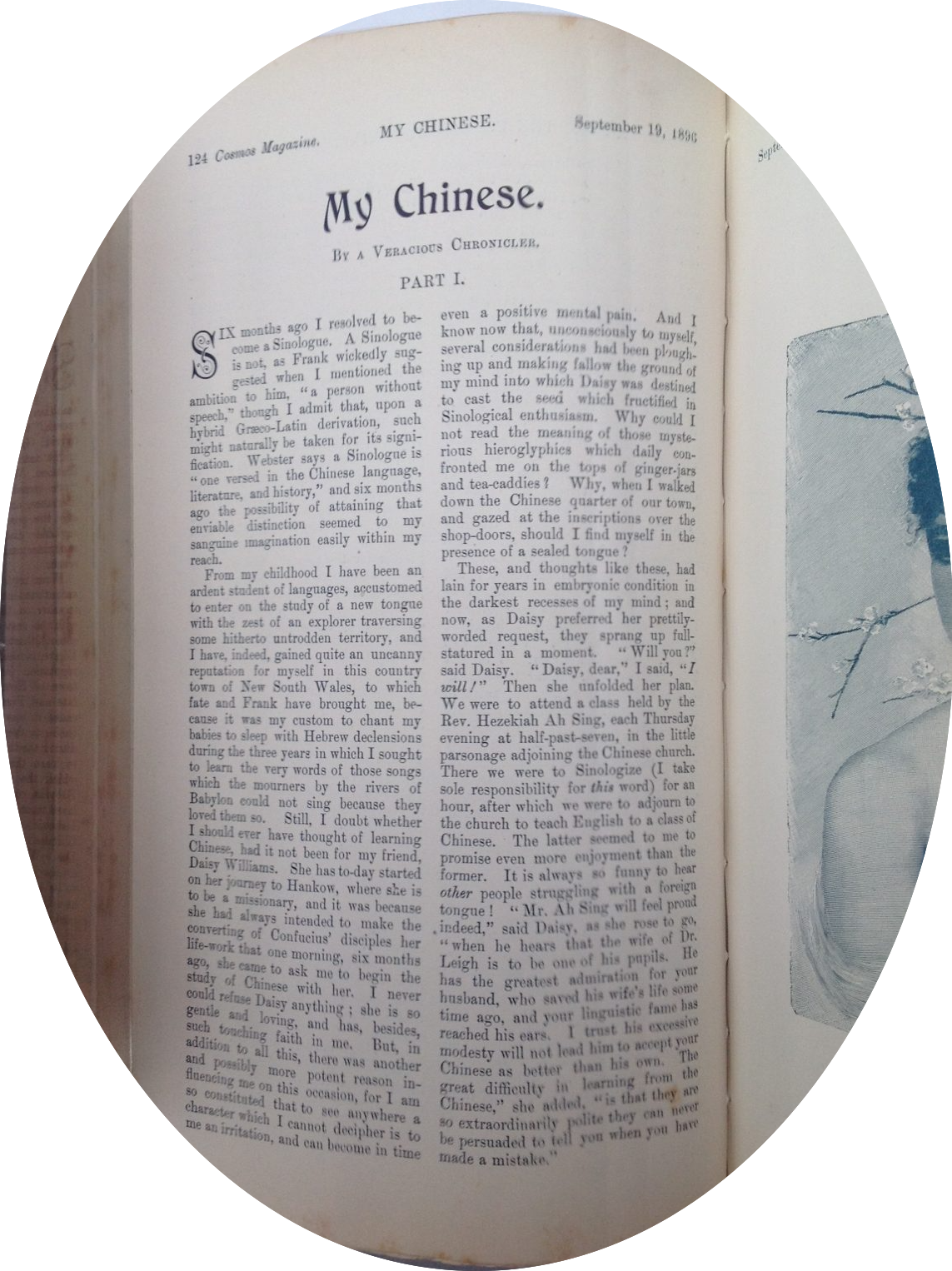
“My Chinese” by Margaret Egerton
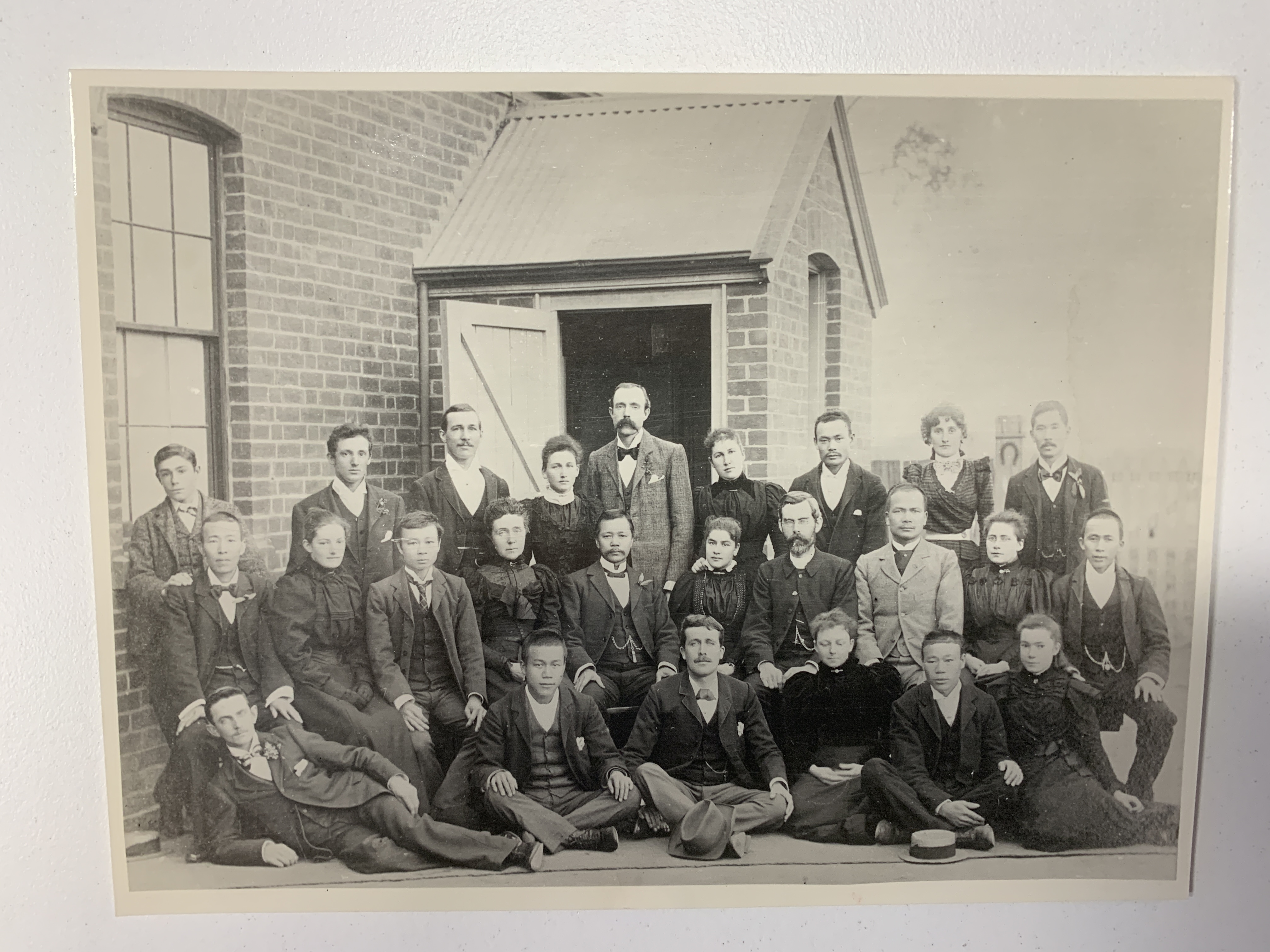
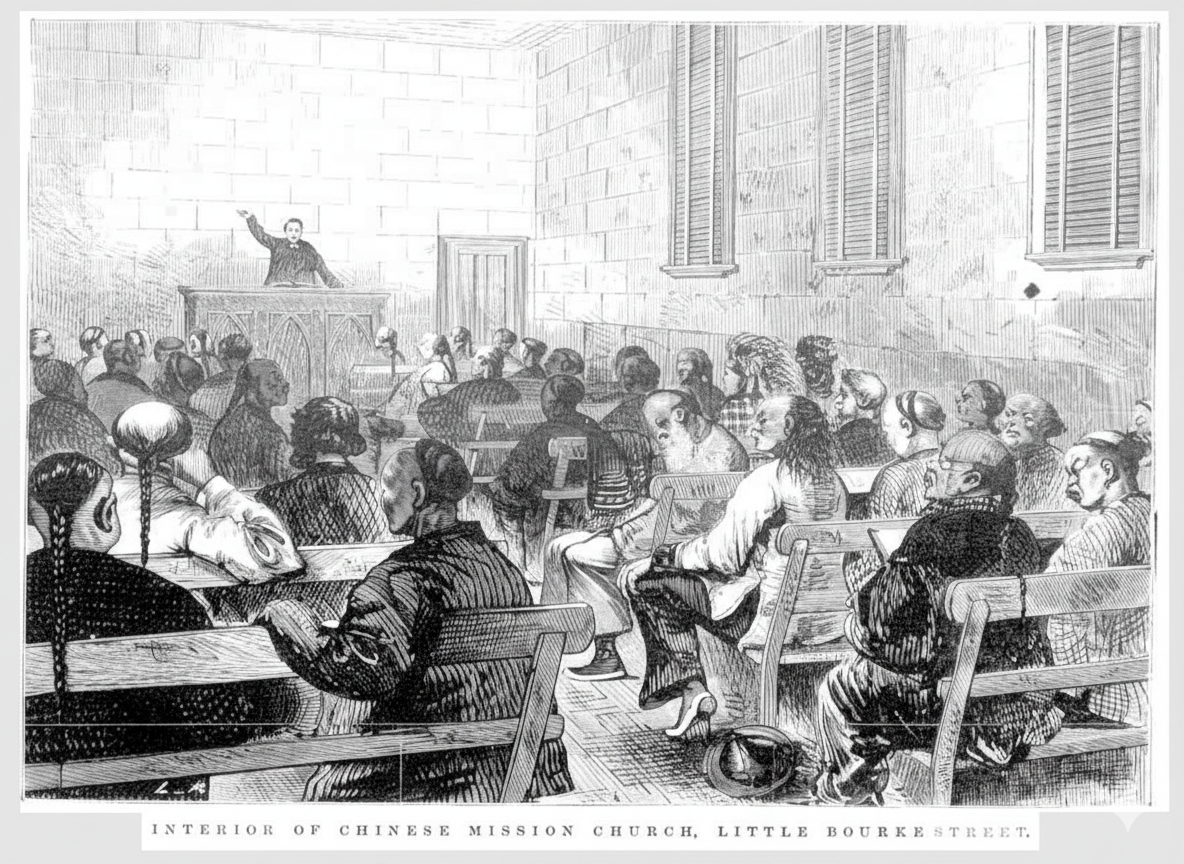
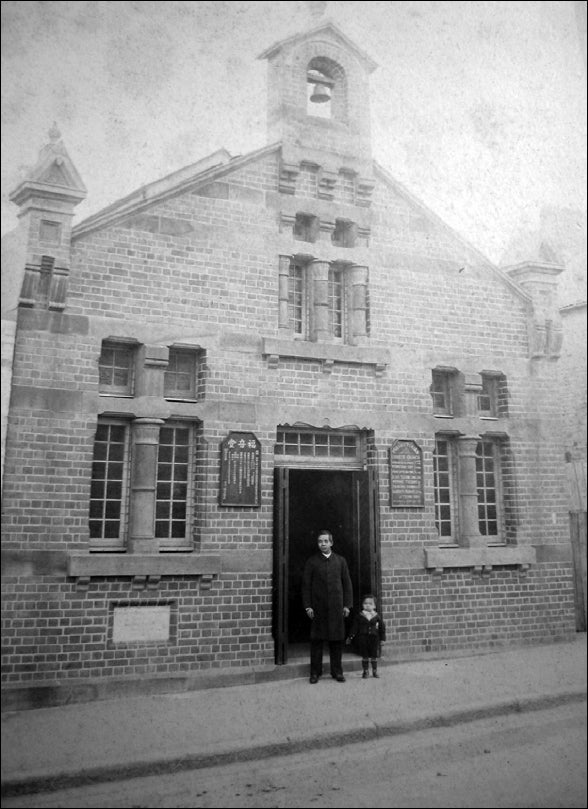
This fictionalised account of a European Australian woman’s interactions with a group of Chinese Australians in the late 19th century was one of my first discoveries as I began researching Chinese Australian history in the late 20th century.[1] The strong likelihood of its actual autobiographical nature was later confirmed by another long-term researcher in the field. Kate Bagnall recognising that the names of the children of the fictional “Rev Ah Sing” were in fact the same as the children of the real-life Rev Young Wai.[2]
Margaret Egerton was thus one in a long and continuing line of Christian church helpers who provide English lessons to new arrivals in Australia in the hope that they will also convert to Christianity.[3] The article is however thankfully not much concerned with religion but rather with her observations of her students of English and general remarks on Chinese people in late 19th century Australia.
Egerton is fully aware of the embedded sense of class, superiority of civilisation, and no doubt ‘race’ of her readers. The result is a gentle poking at these pretensions, though by no means a rejection of the stereotyping of Chinese people in Australia upon which much of the essay rests. Nevertheless, My Chinese is worth reading for its many astute observations and mild ironies, even if the ending is perhaps a little too cliched.
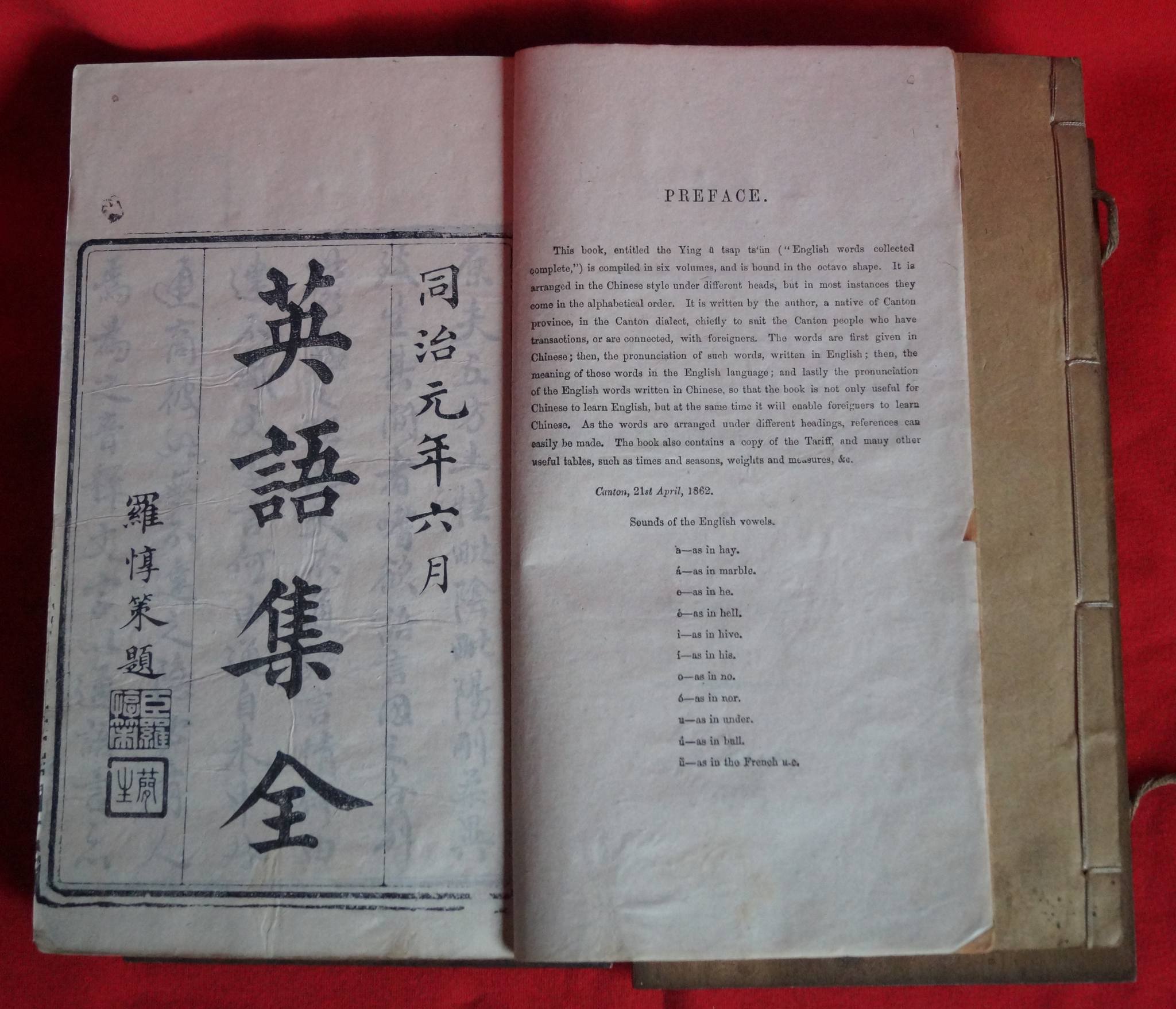
The article tells us – as many of these European observer articles do – more about the writer’s prejudices and attitudes than the Chinese people being discussed. These European prejudices and attitudes are a significant element of Chinese Australian history after all. And one such significant element with which the article begins is the ‘missionary’. It is the narrator’s friend who wishes to learn Chinese so she can travel to China and convert people to her brand of Christianity.[4] And it is from a convert to Christianity, now a minister in a Christian church, that they strive to learn Chinese in exchange for teaching English to a class of Chinese market gardeners.
Before the lady narrator can proceed to her class however, it is her husband who first presents us with some of the commonplace prejudices of his class and race. He begins by giving his views on Chinese people and culture, including that it is ‘impossible of accomplishment’ for anyone to learn 40,000 characters. But his most fundamental objection is that they are ‘a dirty race’, and the would-be student/teacher is only allowed to proceed on a promise of taking all proper ‘sanitary precautions’. These precautions seem to be mostly of a perfumery nature and it is the subversion of these precautions that provides the story’s climax.
While her husband demonstrates the cruder preconceptions, it is the chronicler’s more muted ones that are also challenged. Amazingly the first of these is the idea that Chinese people are ‘unemotional’. This is a prejudice that apparently began with missionaries in China who it seems found the locals insufficiently moved by what they had to say, and put this down to a lack of emotional capacity. This prejudice is easily disposed of by the obvious family emotions on display as they enter the Minister’s home, while another regarding music is left in place or even reinforced. Though that unmusicality could also lie on the other side is intimated.[5]
As an aside, we are given a dig at mansplaining to remind us that some things never change, before the origins of the writer’s sympathy for Chinese people in Australia are hinted at. The first is her vague objection to the poll tax – or perhaps it is that working class people are the ones demanding this – that leads to an exchange of presents with her regular vegetable hawker. The second is witnessing her father’s defence of a Chinese person from a group of larrikins.[6] Here the author appears at her most naively unselfconscious, in an account that reeks of paternalism.
It is in Margaret Egerton’s descriptions of her English students that we learn more as the individuals are introduced. The moonstruck Cum Lee and the student of medicine Paul Fee Lee, among others. All remain well within the stereotype of the humble, friendly market gardener and vegetable hawkers that most European Australians would have been familiar with – here there is no hint of the real Rev Young Wai’s students, some of whom became multinational businessmen.[7]
Of interest to note is that while the difference between Cantonese and Mandarin languages is clear, the discovery of the tones necessary for adequate understanding in speaking comes rather late in her lessons.
The somewhat cliched climax of My Chinese is the miraculous cure of the narrator’s neuralgia by a medical concoction she is too polite to refuse, despite her horror at the unhygienic way it is prepared.
Overall, My Chinese is a reminder of the limits of mere politeness and toleration. The Chinese subjects of the story remain foils that allow the author to make subtle digs at her own class. While Egerton herself is as disinclined (incapable?) of seeing past her own paternalism and prejudice as her readers. While not a stone-throwing larrikin, she is a woman of her times just the same.
Despite these limitations, careful reading of such material as that offered by the somewhat naive Mrs Egerton can be of value, even if only in informing us better of the mainstream community on which much of our evidence for Chinese Australian history, at least in the 19th century, is forced to rely.
Source
Margaret Egerton, “My Chinese”, The Cosmos Magazine, Part I, 19 September 1896, pp.124-128, Part II, 19 October, pp.138-141, Part III, 19 November 1896, pp.192-196.[8]