Opera performance illustrated
Date Published
: opera, entertainment, music
: Melbourne
: Melbourne
: 1872
Chinese Theatricals
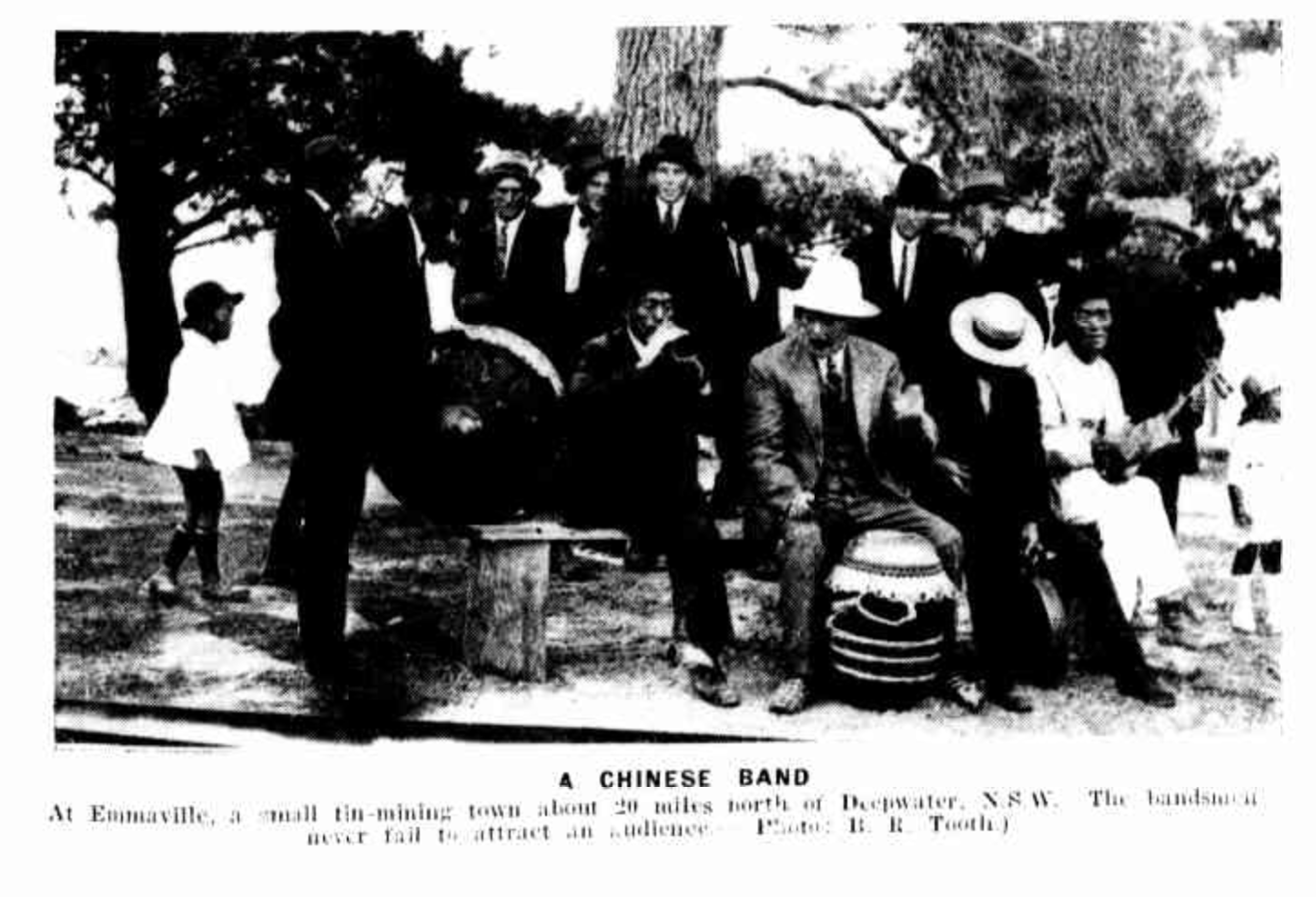
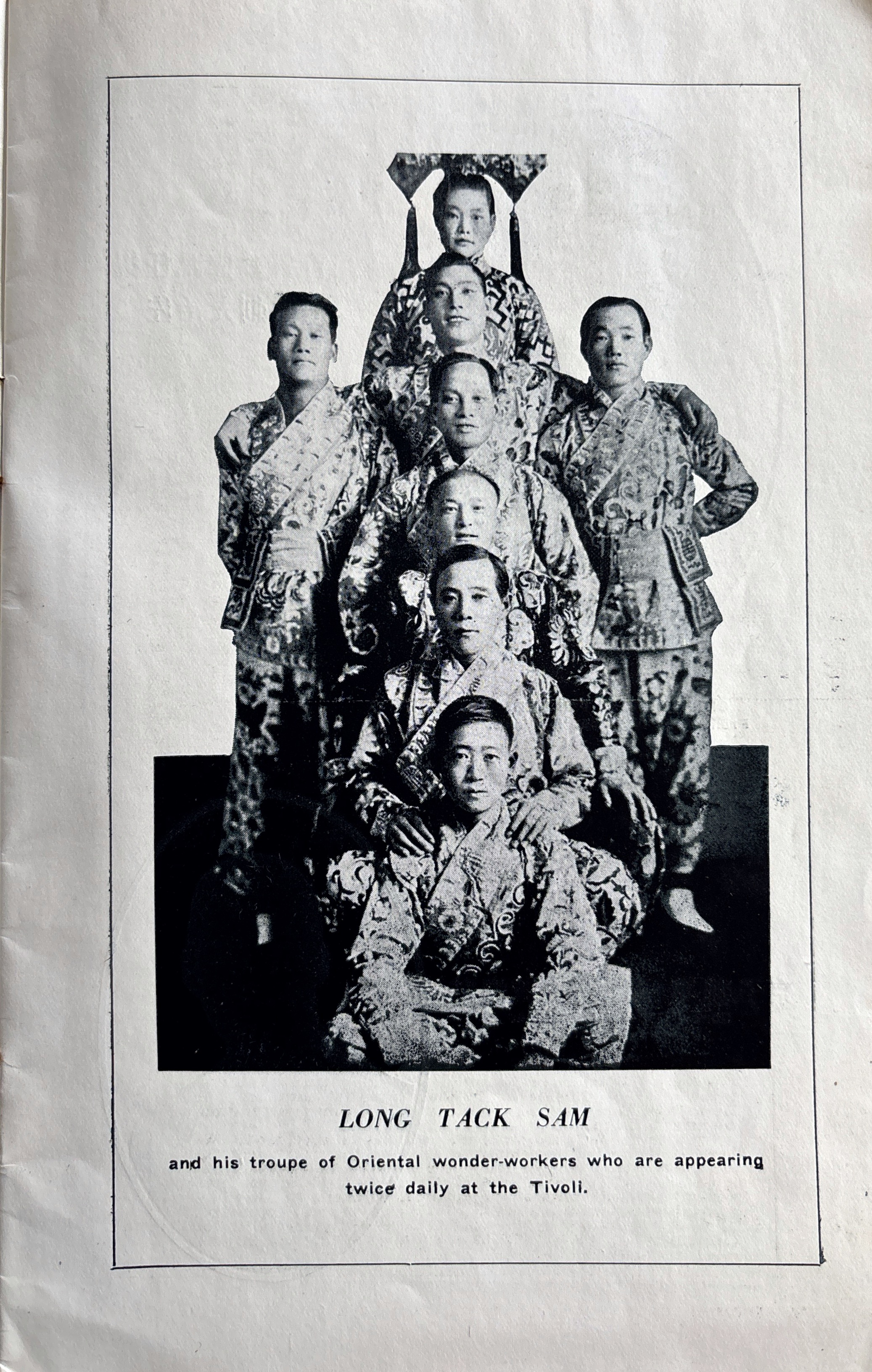
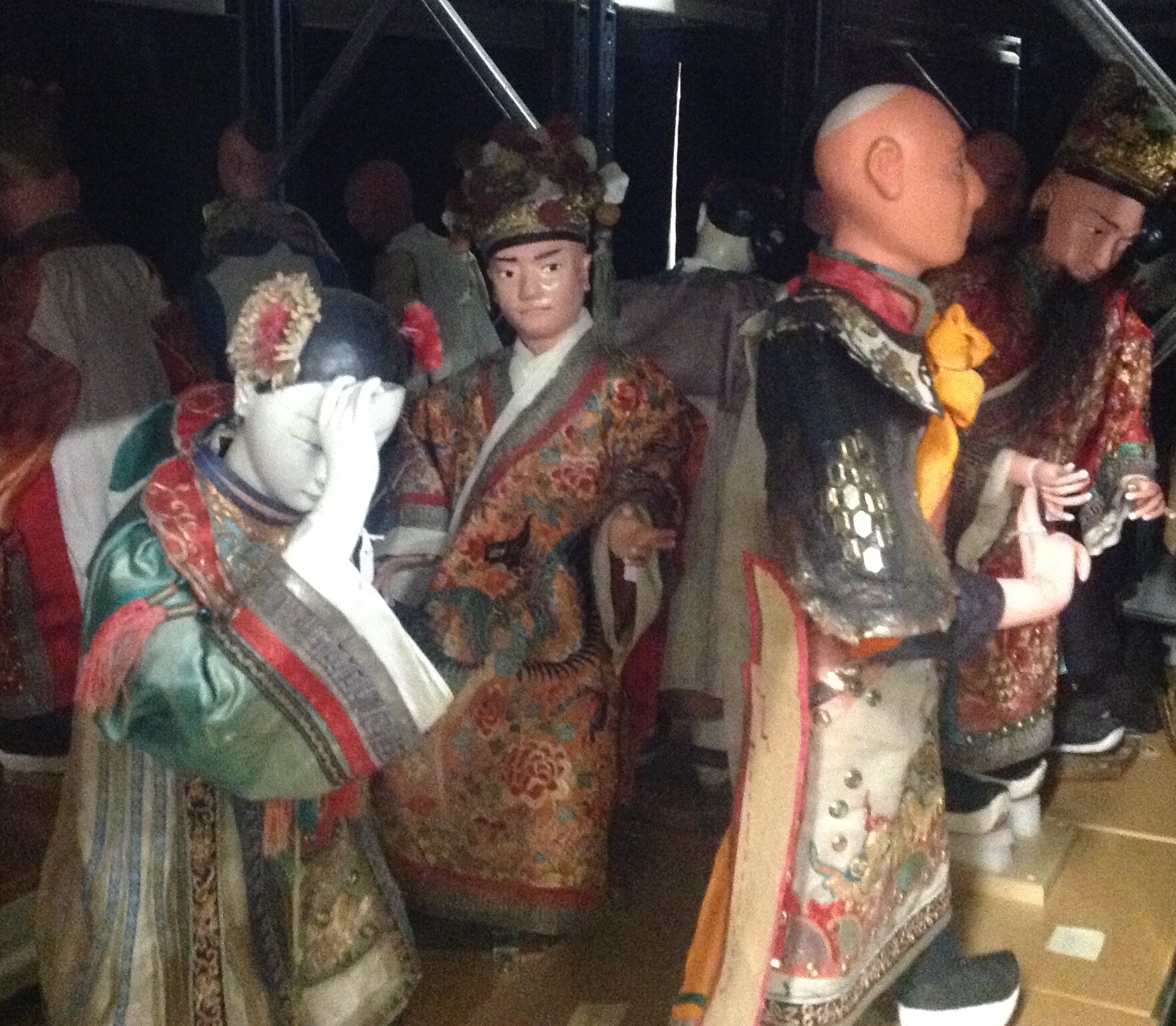
Chinese Opera is one of those cultural forms that is both deeply embedded in its culture and generally perceived by outsiders as a most exotic and relatively inaccessible representation of that culture. Yet for well over 50 years ‘Chinese Opera’ (or ‘Pear Garden’ or ‘Great Drama’ as it was known in Chinese) was performed regularly in Australia. In fact, it was present to such a degree that English language scripts were handed out and Chinese Opera related sayings were part of Australian slang.[1]
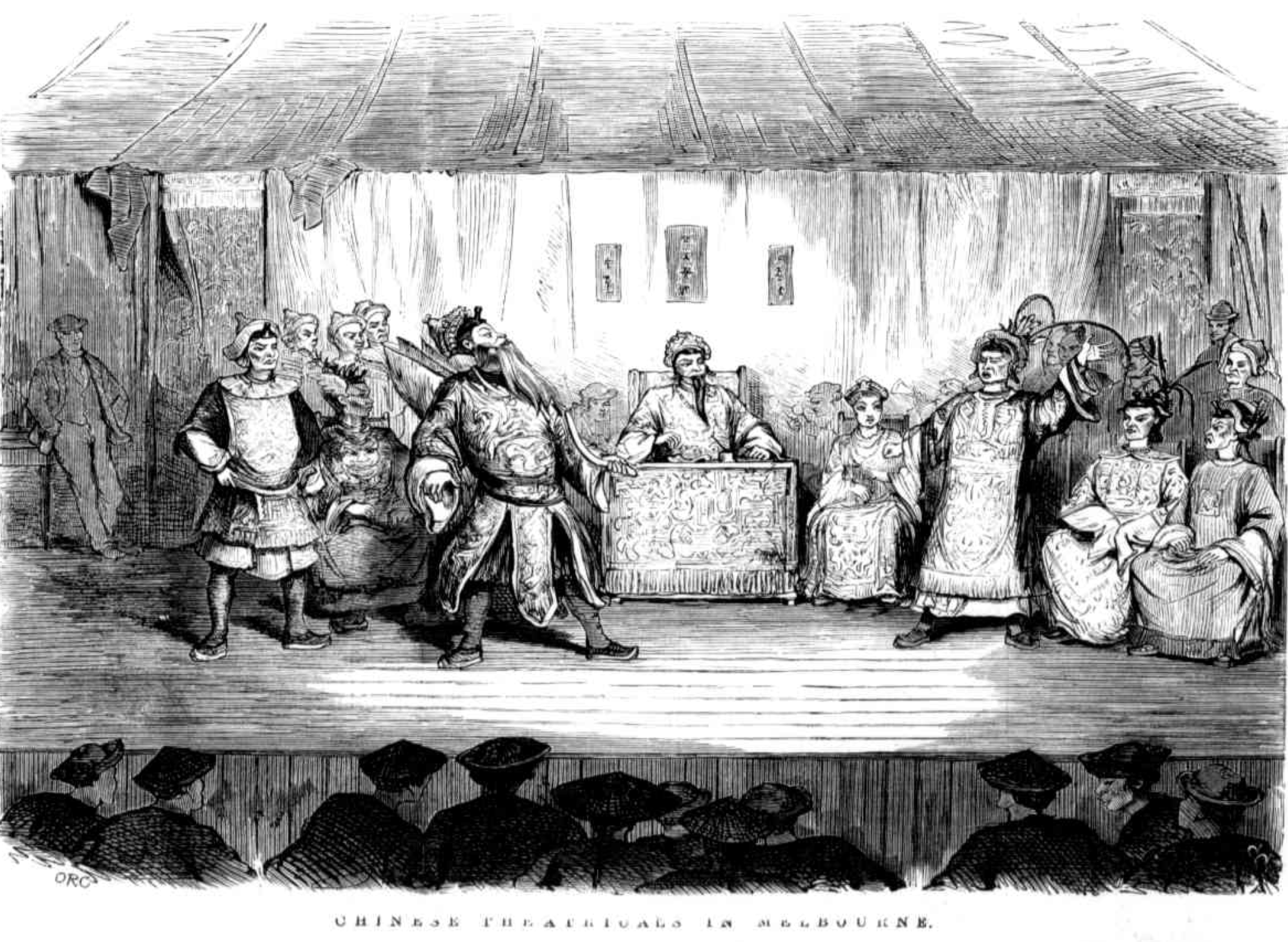
CHINESE THEATRICALS IN MELBOURNE.
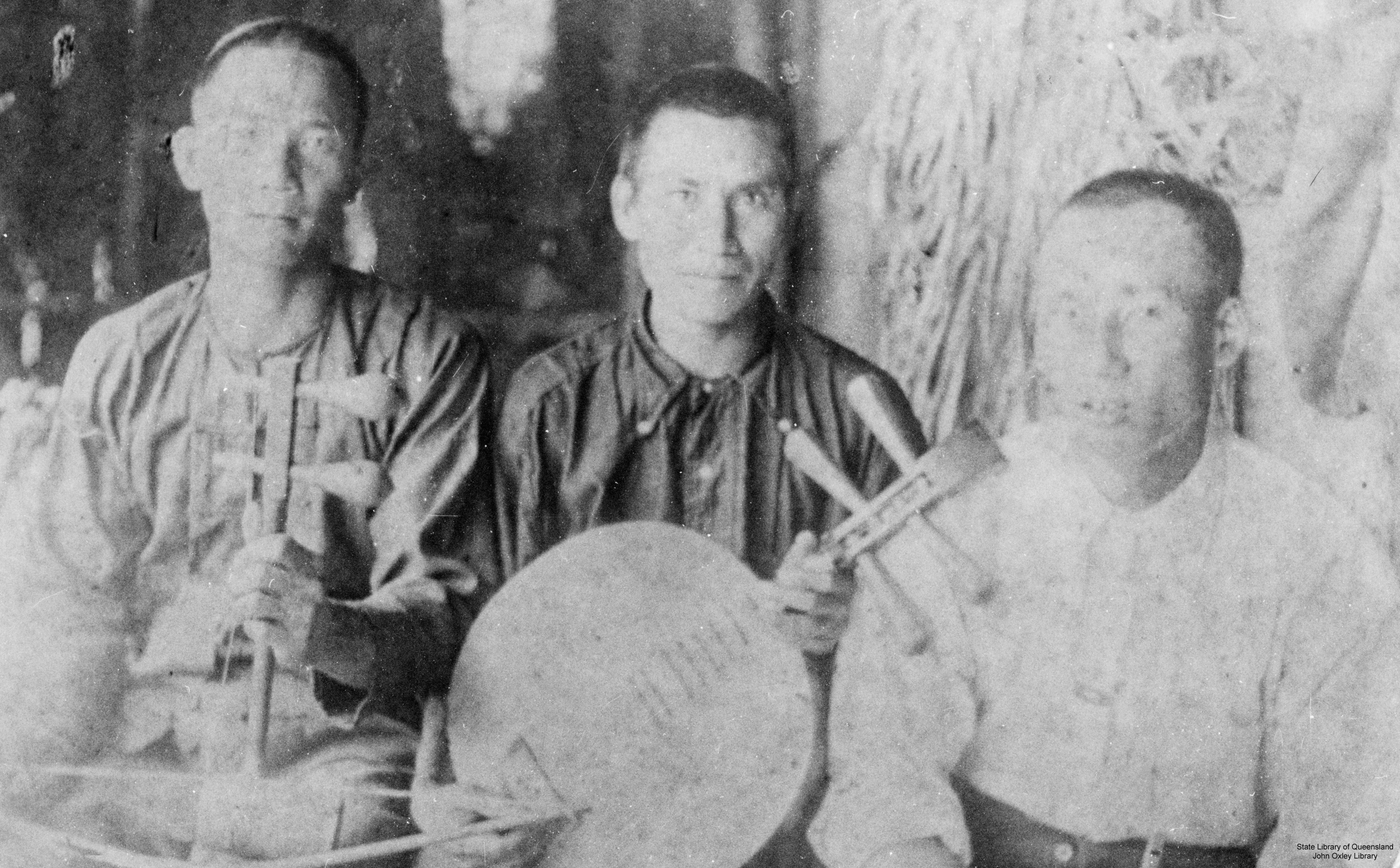
Both at home and abroad the celestials are particularly fond of dramatic representations. As a rule wherever they settle, as soon as they a mass the means, they gratify their fondness for the drama. For some time past Chinese troups of theatrical performers have visited Australia, and lately there has been a company performing in Melbourne. In this number we give an engraving of a scene of one of their dramas taken by our special artist. To form the theatre a large tent or marquee is erected, similar to those used by the circus, companies ; the lights are suspended from the pole in the centre which supports the canvas, and the stage is ordinarily raised some four or five feet from the ground. No scenic aid is considered necessary, but a richly brocaded curtain separates the actors while before the public, from the green-room behind. The orchestra generally consists of three musicians, one playing a peculiar looking instrument similar to a banjo, another, a most unmusical pipe, somewhat resembling a Highland chanter, but minus its sweetness, while the third resembles a horn of very primitive form. These musicians are not placed in front of the audience as in our barbarian theatres, but appear on the stage seated in the rear and sometimes on one side of the actors, and from the moment of the piece commencing until its close they keep up a monotonous screeching, resembling the combined effect of cat-calls, muffled gongs, steam saw-mills, and false falsettos. Although the European cannot comprehend the guttural language of the Celestials, still the plot of the play is easily traceable, so thoroughly do the actors portray the passions. Many of our European actors might take a lesson with profit from their Celestial brethren, who evidently possess great talent, and are well versed in histrionic art. The properties are truly magnificent, the costumes being composed of the richest brocaded and flowered silks and satins which it is possible to conceive. A visit to the theatre in the Chinese quarter is exceedingly interesting as the performance altogether gives a higher idea of the manners and customs of the flowery land than a cursory glance at Little Bourke- street.
Illustrated Australian News for Home Readers, 16 July 1872, p.144.
This is just a small taste of the many observations of Chinese Opera as it was performed from Tasmania to Cairns and many places in between throughout 19th century and into early 20th century Australia. What is remarkable is not that it happened, but that it has been forgotten that it happened.
For a more detailed account of Chinese Opera in Australia see:
Michael Williams, “Smoking opium, puffing cigars, and drinking gingerbeer: Chinese Opera in Australia”, in Opera, Emotion, and the Antipodes Volume II Applied Perspectives: Compositions and Performances, edited by Jane W. Davidson, Michael Halliwell and Stephanie Rocke, pp.166-208, Abingdon: Routledge, 2020.
[1] For example, dogs as late as the 1928 Longreach Show were described as creating a “din, that a Chinese opera company would give half its life to accomplish”. The Longreach Leader, 2 March 1928, p.21.