Tobacco farming, Tumut
Date Published
: Agricultural (tobacco)
: Snowy Mountains
: Tumut
: 1892
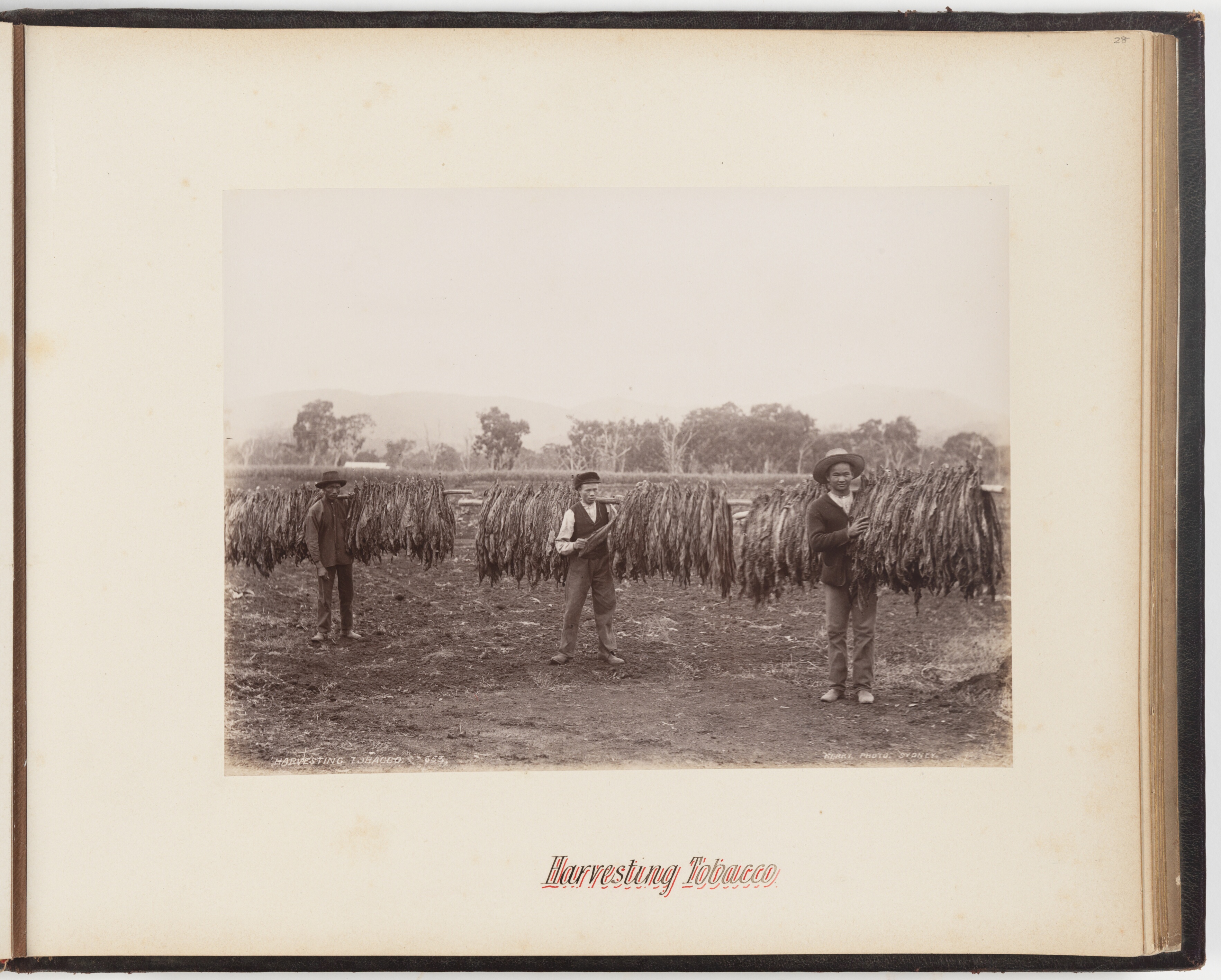
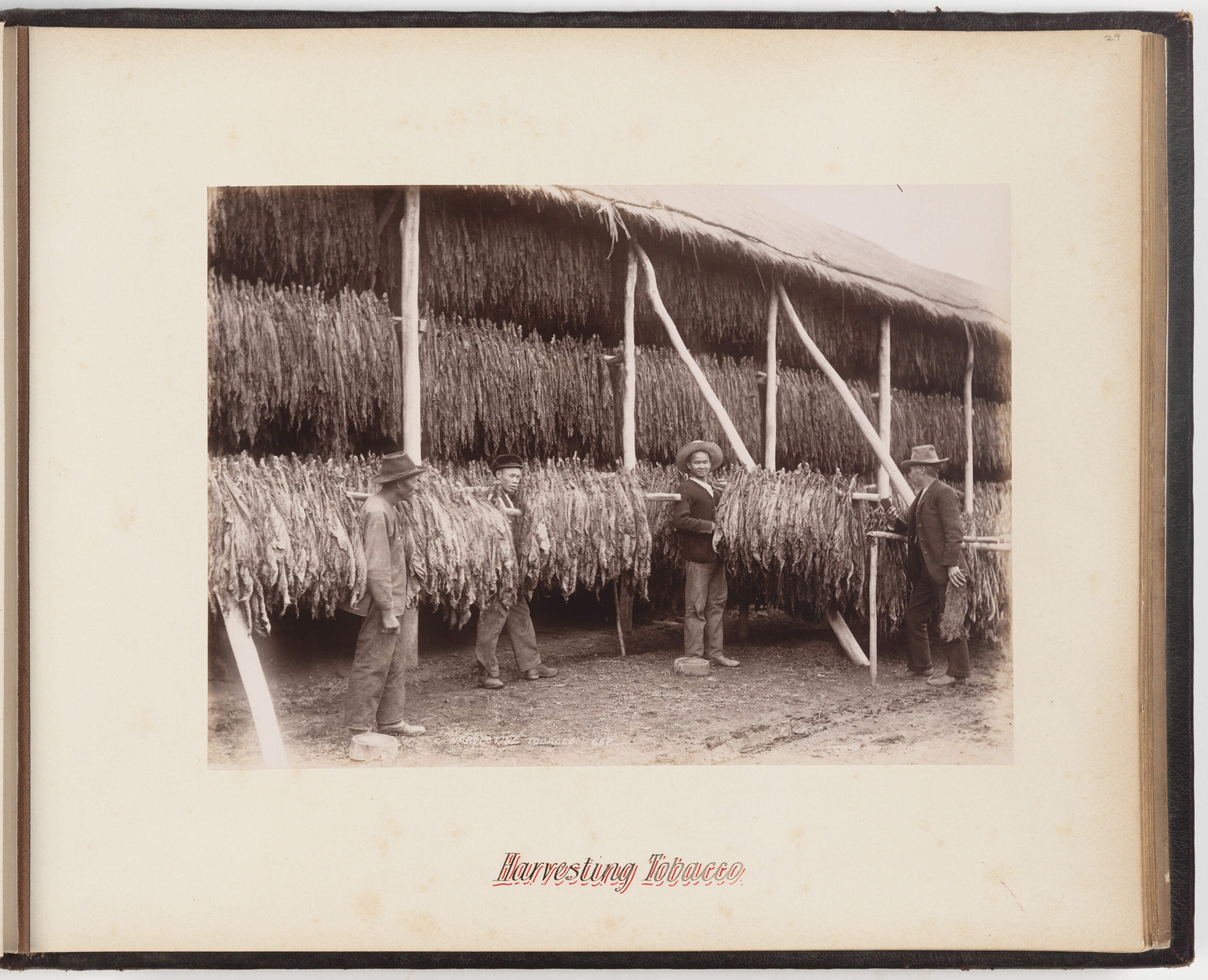
Harvesting tobacco
By the end of the 19th century tobacco growing was dominated in many rural areas by Chinese farmers. In Tumut the locals had no problem presenting this industry.
Harvesting tobacco 2
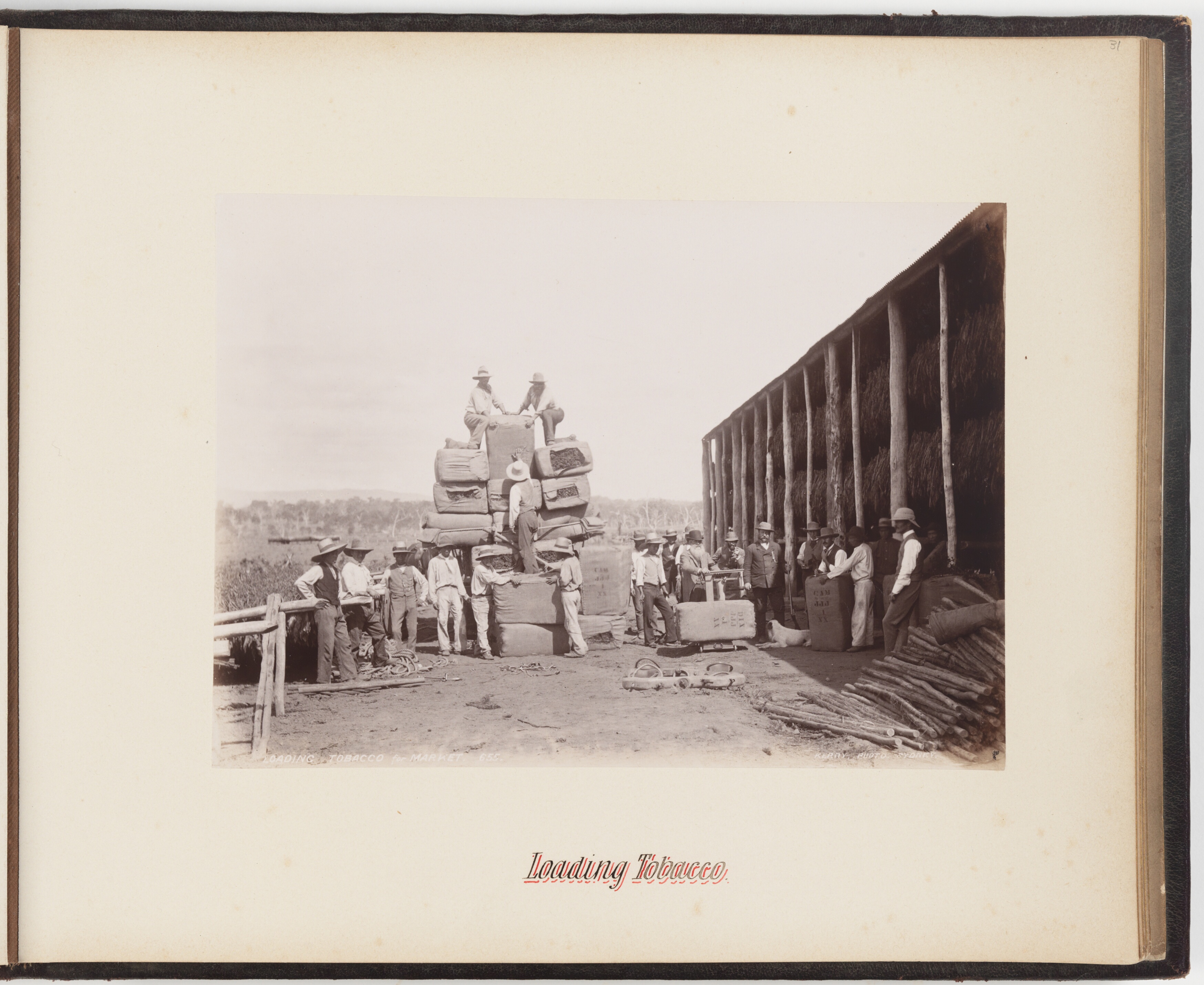
Harvesting tobacco 3
Source: Picturesque Tumut [album of photographs of Tumut, Yarrangobilly and the tobacco industry of the district, presented to Victor Albert George Earl of Jersey by the people of Tumut, Jan 1892] / Kerry & Co., Sydney
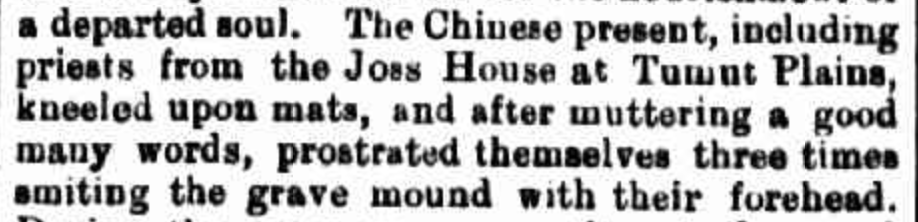
The 1920s were the heyday of the Chinese tenant farmers on Tumut Plains. They were patient and tireless workers.
I can remember them well, ploughing with two horses and a single furrow plough. They would work all day sowing their tobacco plants, shuffling along on their knees or backsides, pushing their baskets of plants in front of them and sowing a row on either side.
The Chinese would carry a 2-4 gallon tin of water on a yoke, watering their plants with a long handled home-made dipper or ladle. They would work for hours on the hottest day, then back to their cool bark hut with the earthen floor, have a drink of rice wine, then lay back in their bunk and have a pipe of opium - then back to work again.
As a young man in the Depression days I worked for them, mainly cutting and carting wood for their tobacco kilns. They were good to work for - if you said it was one cord of wood or two they never doubted you. They were never known to try and cheat anyone, which was more than I could say for many of our countrymen at the time?
Source: Jack Bridle, 'Memories and Information of the Chinese' in Memories of Tumut Plains, 1993, compiled by Residents and Ex-residents, p.12.
See also: Kwok, Juanita. “Up in Smoke: Chinese Growers and Manufacturers in the Tobacco Industry in Australia, 1880–1930.” Labour History 130 (2026). https://doi.org/10.3828/labourhistory.2026.25.