Stereotypes
Date Published
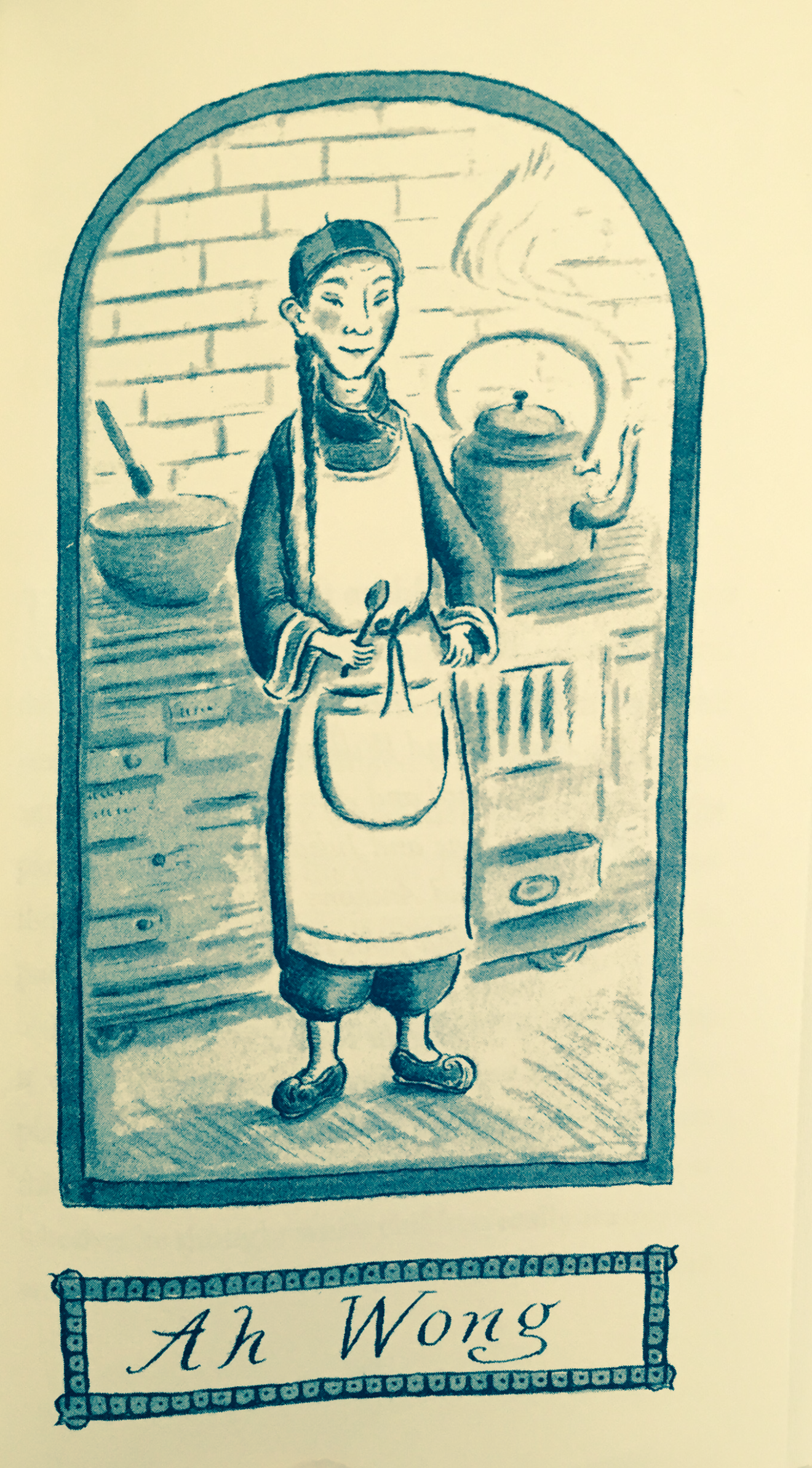
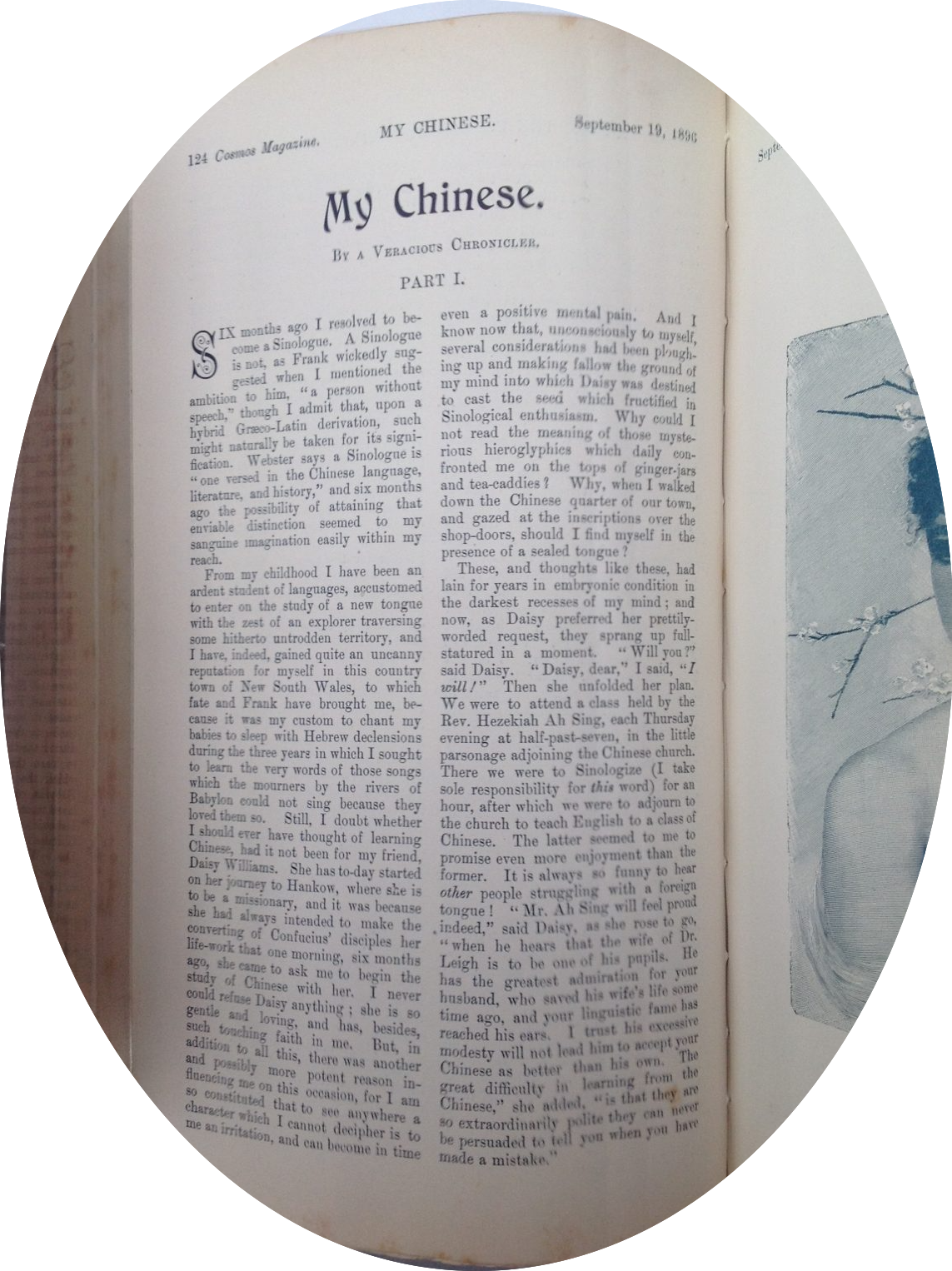
Stereotypes both negative and positive greatly influence interpretation.
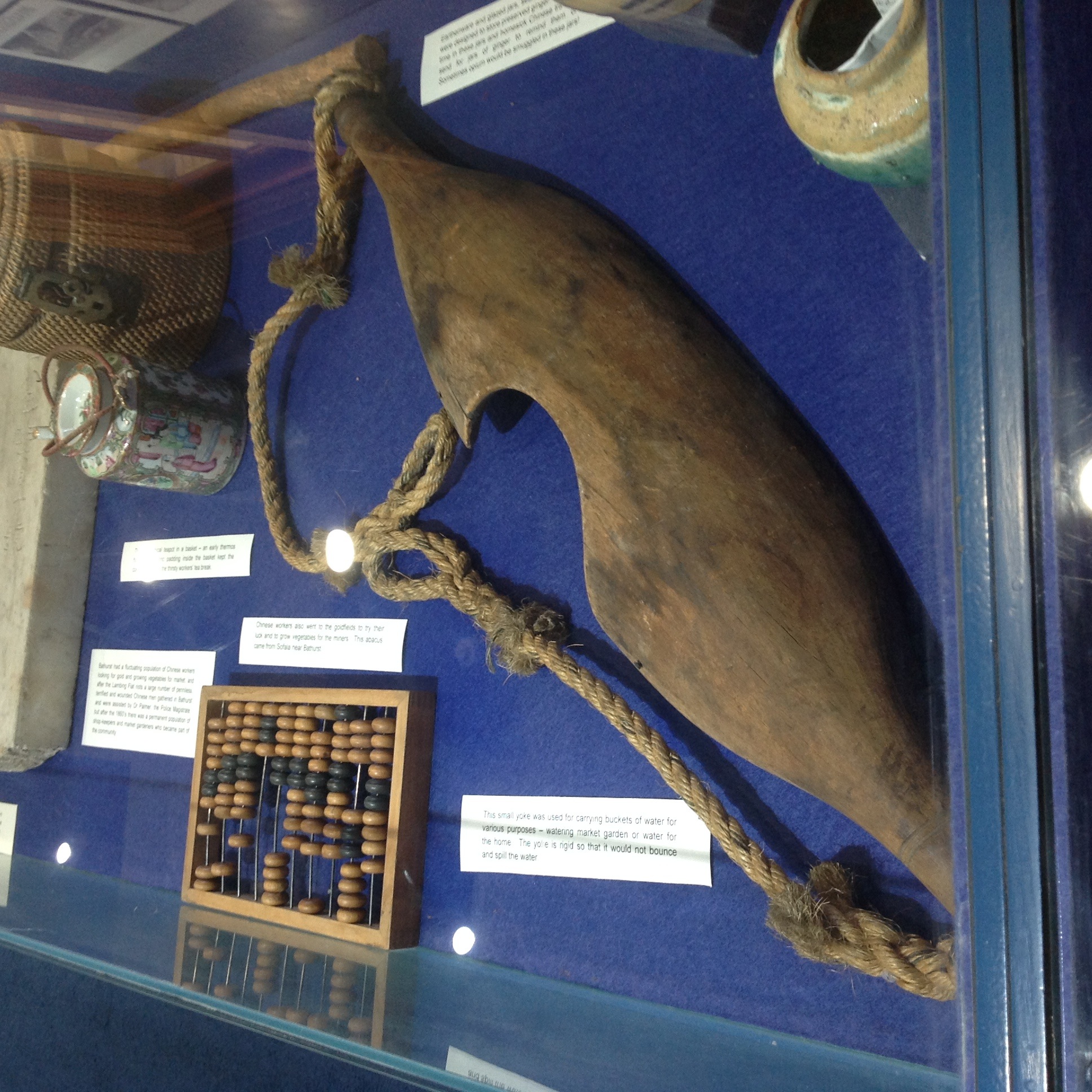
Perhaps the two most dominant stereotypes of Chinese people in Australia are that they were hapless victims of white racism and discrimination, and that they were extremely hardworking and frugal. Like all good stereotypes these have elements of truth while leaving little room for nuance and alternatives. The most obvious within these two frames being that Chinese people often strongly resisted racism and discrimination on many levels - political, intellectual, legal and physical, while many Chinese people failed to work successfully and/or spent their money freely. In other words, they were human with the same range of human frailties and desires as the rest of us.
Stereotypes, including stereotypical images, are not wrong because they don't exist, they are wrong because they substitute for nuance, individuality and all that makes up historical reality. The ‘success' of The Mongolian Octopus and the broader project that was the White Australia Policy is that it continues to make it difficult to see Chinese Australian history and individual men and women in their entiity. As a result the cafe proprietors, doctors, opera performers, veterans, Christian missionaries, newspapermen, temple custodians, and home builders, as well as the politically active, the authors and unionists are made more difficult to see or if seen at all they are too often perceived as exotic “exceptions” to the norm, rather than as the fundamental elements of the norm they in fact are.
Resistance - political (petitions, appeals to Premiers), intellectual (books and pamphlets), legal (court challenges) and physical (guns, knives, fighting)
Victims - role in WAP - Lambing Flat myth.
Hardwork - families - left behind - no pension - opium - taking a tram
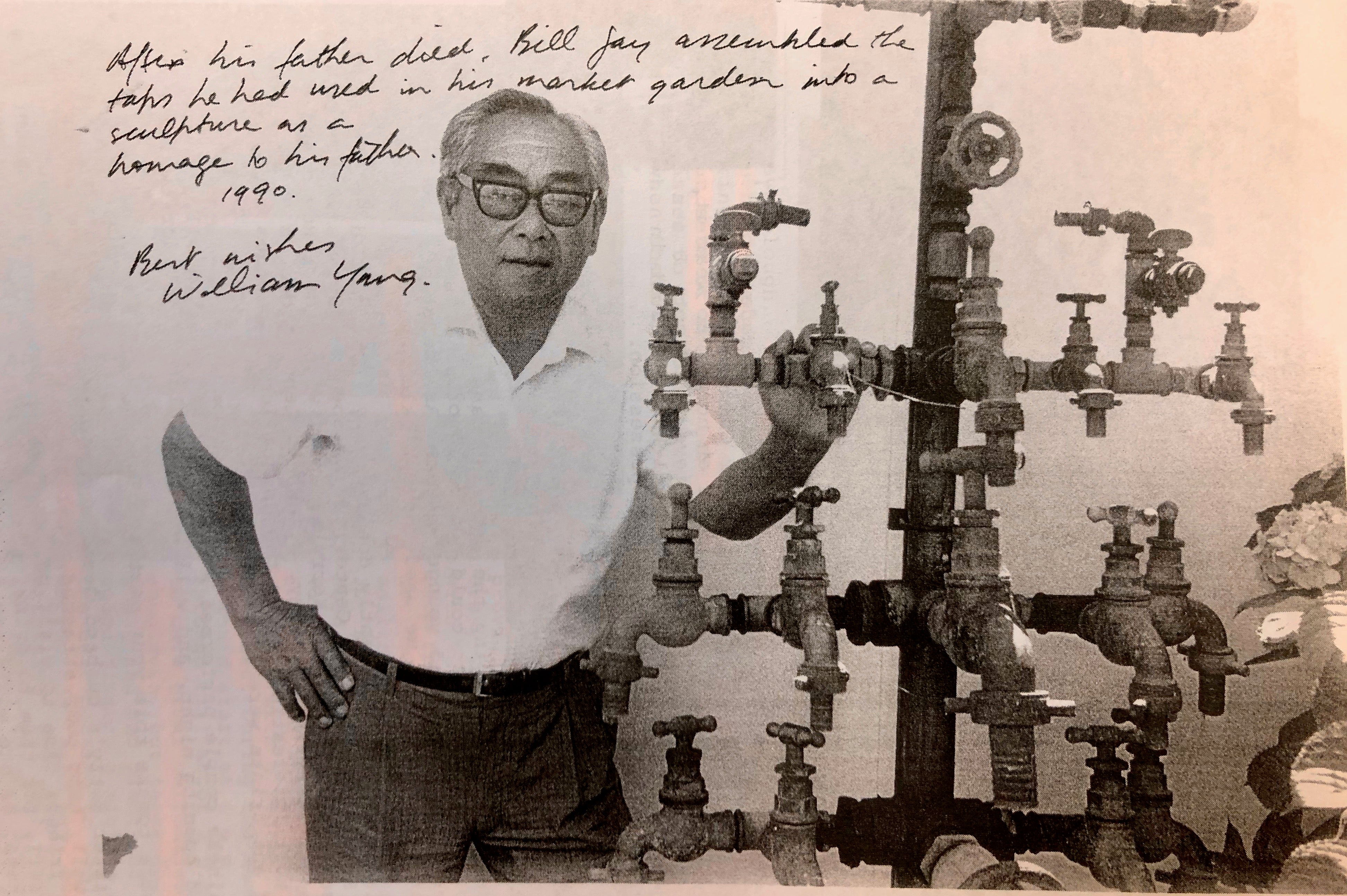
Outside the stereotype - Quong Tart, women,
Whitewashing - forgotten - opera, doctors,
“Don’t you make any mistake,” he said, “this is a wonderful chap, this Chow. He started with nothing—just a coolie—but he was a big, powerful bloke and could mix it with anybody. He was in the ring for a bit, what d’you think of that—a Chow in the ring! He could take a punch too, let me tell you. ‘My face all same iun,’ he’d say. Then he took on running fan-tan and pakapoo joints, and he got to be a big man, because if any of the larrikin crowd got playing up Jimmy could knock him cold. Then he started smuggling opium and working it back to the blacks and Chows up in the Territory—heaven only knows what he made out of that. Then he started importing Chinese coolies from Canton with false identification papers, and he made these coolies work as slaves for him in Chinese gardens, until they had paid him big money. He owns a couple of stations on the quiet. And then, dash me, if he doesn’t start bookmaking!”
“I’ll tell you something,” he said, “Jimmy’s a very solid man and gives thousands to charities. But there’s hardly a fan-tan shop or an opium joint in Queensland but what Jimmy’s got a finger in it. There isn’t a criminal in Queensland but what would do exactly what Jimmy told him and do it at the double. I think that he took up the bookmaking so that he could travel about and keep an eye on all sorts of crooked jobs. Anything from fan-tan to murder. I don’t put anything past Jimmy. His right name is Kum Yoon Jim, but the boys call him Jimmy the Pat. They call all Chinamen ‘Pat.’ The larrikin crowd only call him that behind his back. He’ll hit any one that calls him Pat to his face. Tough on the Irish, isn’t it, when a Chinaman, will strike a man for calling him ‘Pat’! It ought to be a compliment.”
What Banjo Paterson has done here is compress into a single paragraph and a single person a great many of the elements of Chinese Australian history as perceived by European Australians. Thus we have the ‘coolie’ or labourer, gambling, opium, and false papers. The idea of a Chinese boxer may well have come from the real life Rud Kee who worked with Jimmy Sharman for over 50 years. ‘Pat’ as a slang term for a Chinese person was common in the early 20th century, especially in sporting circles.[1] While finally, Paterson’s grandfather Robert Barton likely had some indentured workers from Amoy on his Bathurst property in the 1850s.[2]
I have already shown that they do not practise self-denial at their board, and as a proof that they are equally liberal in their personal expenses, I have only to state that it is remarked that the omnibuses and public conveyances which ply about Sandhurst and in the Bendigo district are largely patronised by Chinese; in fact, it would be safe to wager, as one of these vehicles is approaching that one-third of the passengers are of Celestial origin. The same average, I am satisfied, would be tolerably correct with regard to the coaches running to Melbourne. I know I have been several times up and down the line, and on every occasion I had from three to six Chinese fellow passengers. On one of the journeys, occupying the box seat, the driver called my attention to the circumstance “that while we frequently passed parties of European diggers on their way to the town, toiling along under heavy swags, we never saw one solitary instance of Chinamen returning on foot” and such, he informed me, is invariably the case.[1]
[1] William Kelly, Life in Victoria, or Victoria in 1853, and Victoria in 1858 : showing the march of improvement made by the colony within those periods, in town and country, cities and diggings. Note: Sandhurst = Ballarat
[1] Sydney Sportsman, 18 February 1920, p.1, Pinching the Pats. A CHINAMAN’S LUCK.
[2] For the reference to both Rud Kee and Robert Paterson the author thanks Dr. Juanita Kwok.